 Moth
Global business is changing fast. New markets are opening, digital tools are reshaping how companies work, and many businesses are rethinking where they source products, find customers, and run their supply chains.
Against that backdrop, leaders of the 21 APEC member economies met in Shenzhen on November 18–19, 2026 for the APEC Economic Leaders' Meeting. Under the theme "Building an Asia-Pacific Community to Prosper Together", China's APEC year focused on three priorities: openness, innovation, and cooperation.
So what does the APEC 2026 summit actually mean for international trade, cross-border e-commerce, and companies looking to expand overseas? Here are the key takeaways, the global trade trends to watch, and how smaller businesses can prepare.
1. APEC 2026 at a Glance
Why Shenzhen matters
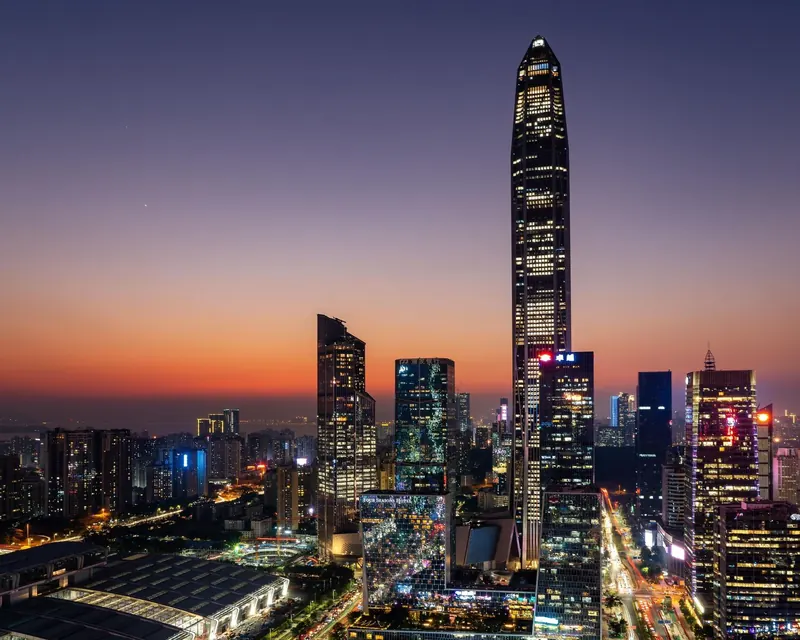
Shenzhen grew from a small border town into one of the world's biggest manufacturing, tech, and export hubs. Hosting the APEC Shenzhen summit there put trade, technology, and supply chains at the center of the conversation.
The leaders closed the meeting with the 2026 APEC Leaders' Shenzhen Outlook, published by China's Ministry of Foreign Affairs. These are the basics:
| APEC 2026 | Details |
|---|---|
| Host economy | China |
| Leaders' Meeting | Shenzhen, November 18–19, 2026 |
| Theme | Building an Asia-Pacific Community to Prosper Together |
| Priorities | Openness, innovation, cooperation |
| Outcome document | 2026 APEC Leaders' Shenzhen Outlook |
| Next host | Viet Nam (2027) |
2. Three Key Messages from the APEC Shenzhen Summit
2.1 More Open Markets and Stronger Regional Trade Links
Thinking beyond a single market
APEC has long worked to make trade and investment across the Asia-Pacific easier. This year's Outlook again backed market-driven regional economic integration, including the Free Trade Area of the Asia-Pacific (FTAAP) agenda.
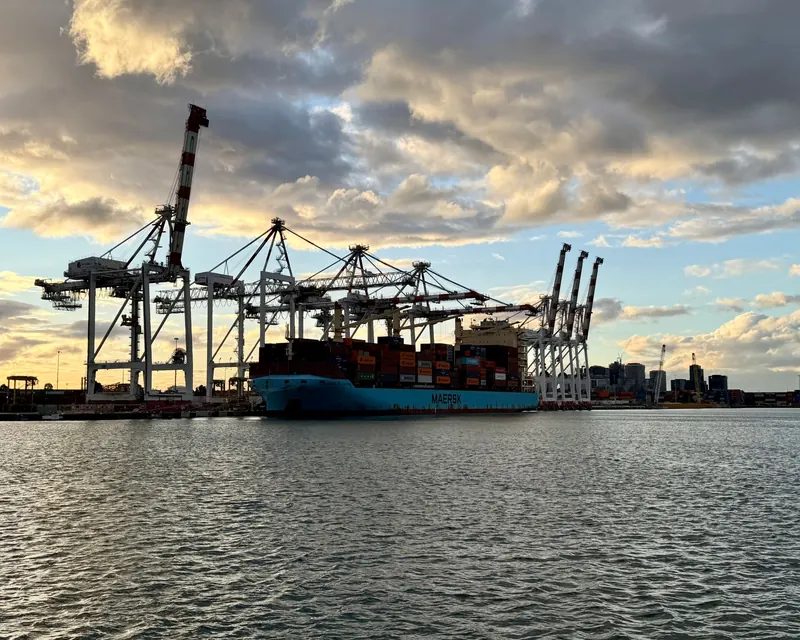
Leaders also endorsed an APEC Connectivity Blueprint to improve the flow of goods, services, capital, and people across the region. For companies in international trade, the message is to think beyond one market. A business might source products in one economy, sell in several others, and work with partners across the region, which opens up new customers and spreads risk.
2.2 Digital Trade Is Becoming a Bigger Part of Business
From online store to digital operations
Leaders welcomed a new APEC Trade Digitalization Cooperation Framework (2027–2030) and committed to advancing paperless trade, cross-border e-commerce, and the flow of data across borders.
The Outlook also highlighted the APEC AI Initiative (2026–2030) and called for giving micro, small and medium-sized enterprises (MSMEs) access to easy-to-use digital tools.
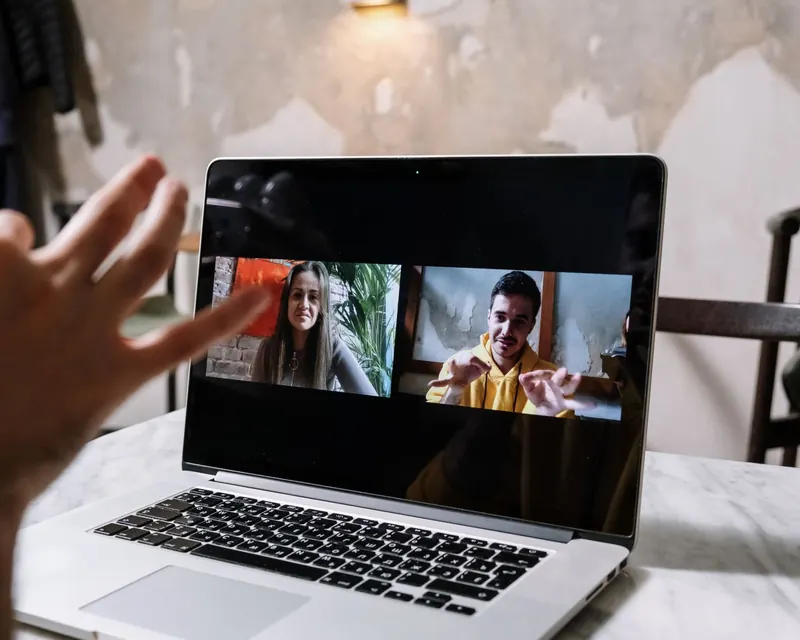
For businesses, digital trade means more than running an online store. It also means paying for overseas software, advertising on international platforms, subscribing to cloud services, and working with remote teams in other countries. These digital tools are now part of everyday cross-border operations.
2.3 Supply Chain Resilience Matters More Than Ever
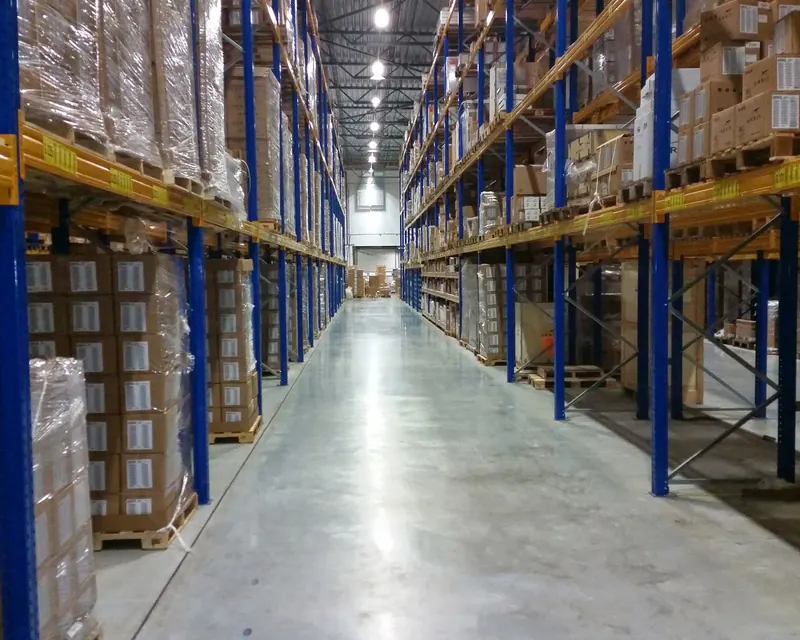
One supplier, one route, one market is a risk
Recent disruptions showed how fragile supply chains can be. APEC leaders reaffirmed their commitment to resilient supply chains, open trade corridors, and work to address chokepoints.
The practical takeaway for companies is to build flexibility into the supply chain:
- Line up alternative suppliers, ideally in more than one market.
- Work with logistics partners in different regions.
- Track costs and delivery times closely so you can react early.
3. Global Trade Trends Cross-Border Businesses Should Watch
The APEC 2026 discussions reflect changes that are already shaping international business.
Trend 1: Businesses Are Expanding Across More Markets
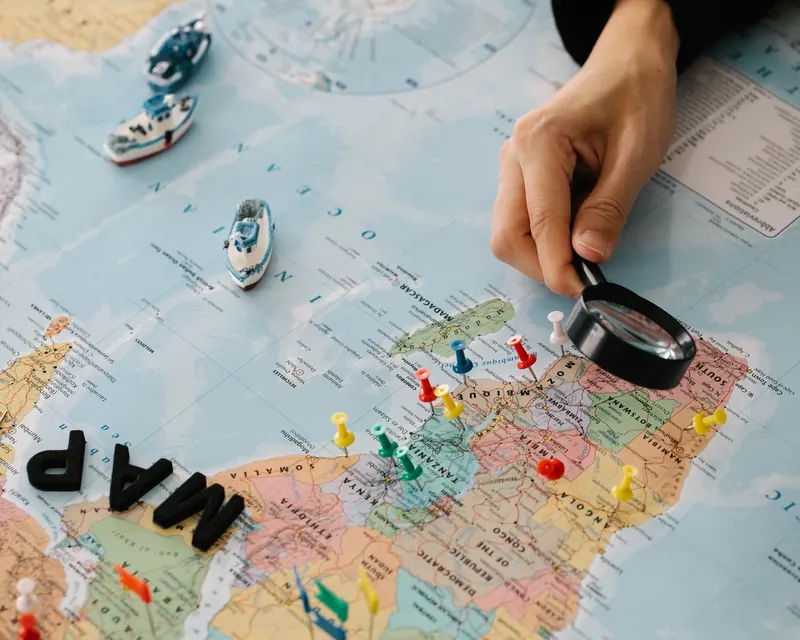
One business, many markets
An e-commerce company might source products from China, sell to customers in Europe and Southeast Asia, and advertise on platforms based in the United States.
This kind of business expansion creates more room to grow, but it adds complexity. Each market has its own regulations, customer habits, logistics, and payment options.
Trend 2: Digital Services Are Becoming Essential Business Expenses
Running an international business usually means paying for a growing list of online services:
Infrastructure
Cloud and hosting
Cloud hosting, website infrastructure, and the tools that keep an online store running.
Productivity
AI and software
AI tools, design, analytics, automation, and project management software for distributed teams.
Growth
Advertising
International ad platforms that bring in customers from new markets.
For startups and small businesses, these overseas subscriptions can quickly become a large share of operating costs.
Trend 3: Payment Management Is Part of Global Operations
Going global isn't only about finding customers and suppliers. Ad spend, software subscriptions, supplier-related online services, and business travel can involve different currencies, platforms, and payment rules. For a cross-border business, managing overseas payments is now an operational task, not just paperwork.
4. What These Changes Mean for Small Businesses Going Global

Global markets are more accessible than ever
The Shenzhen Outlook singled out MSMEs and startups, calling for better access to capital, skills, and digital tools. Expanding internationally still takes careful planning.
Before you expand into a new market
Small business checklist01. Sourcing
Compare suppliers across markets
Avoid depending on a single source for key products.
02. Cross-border e-commerce
Know the market before you enter
Check local customer expectations, shipping costs, and marketplace rules.
03. Digital operations
Pay only for tools your team actually uses
Choose software and online services that match your real needs.
04. Expense management
Keep overseas spending visible
Track international payments, subscriptions, ad spend, and travel costs in one place.
The goal is a business that runs smoothly across borders, not just one that ships to customers in another country.
5. How MothCard Supports Businesses with Overseas Payments
MOTHCARD
Personal & Business
Fund with USDT, pay with Visa or Mastercard
MothCard offers virtual and physical Visa and Mastercard cards topped up with USDT, for eligible personal and business users. A business verifies once and can then open cards in bulk.
- Overseas SaaS and AI subscriptions.
- Digital advertising payments.
- Selected international online purchases.
- Business travel and other eligible expenses.
Teams running several campaigns, services, or accounts can give each one its own card, which makes spending easier to track. For details on ad spend and SaaS payments, see how to fix international payment issues.
AI subscriptions
Cards that pay for ChatGPT and Claude
These six cards pay for ChatGPT and Claude subscriptions. Fund them from your USDT wallet, with no currency exchange or bank wire.
- Glow✓ ChatGPT · ClaudeCard number at checkout
- Pulsar-2✓ ChatGPT · ClaudeCard number at checkout
- Pulsar-1✓ ChatGPT · ClaudeCard number at checkout
- Sapphire✓ ChatGPT · ClaudePay with Google Pay
- Beam✓ ChatGPT · ClaudePay with Google Pay
- Lumen✓ ChatGPT · ClaudePay with Google Pay
Acceptance can change with the merchant, the card network and risk rules, so no payment is guaranteed. Fees and limits are shown in the app.
See all cards →6. Looking Ahead: Building a More Connected Global Business
APEC 2026 reinforced three ideas: openness creates opportunities, innovation changes how businesses operate, and cooperation builds more resilient trade networks.
For companies looking to expand internationally, those ideas turn into practical decisions: choosing new markets, diversifying suppliers, adopting digital tools, and managing payments well. Global expansion doesn't happen overnight. Businesses that stay flexible and ready to adapt will be in a stronger position as the global market becomes more connected.
References
- Ministry of Foreign Affairs of China: 2026 APEC Leaders' Shenzhen Outlook
- APEC: Xi to APEC Leaders: Asia-Pacific Cooperation Must Not Turn Backward
- APEC: China Unveils APEC 2026 Theme and Priorities in Shenzhen
FAQ
What is APEC and what does it do?
APEC (Asia-Pacific Economic Cooperation) is a forum of 21 Asia-Pacific economies that works to make regional trade, investment, and economic cooperation easier.
What was the theme of APEC 2026?
The theme was "Building an Asia-Pacific Community to Prosper Together," with three priorities: openness, innovation, and cooperation. The Leaders' Meeting took place in Shenzhen on November 18–19, 2026.
How does APEC affect international trade?
APEC shapes the regional business environment through cooperation on trade, connectivity, and digitalization. Its commitments are voluntary and non-binding, so actual trade rules are still set by each economy.
What are the biggest global trade trends in 2026?
Key trends include supply chain diversification, digital trade, cross-border e-commerce, AI adoption, and closer attention to managing overseas payments and costs.
How can small businesses expand into international markets?
Research target markets and local rules, compare suppliers and logistics, and test demand before investing heavily. Reliable digital operations and tight control of overseas expenses make expansion easier.